
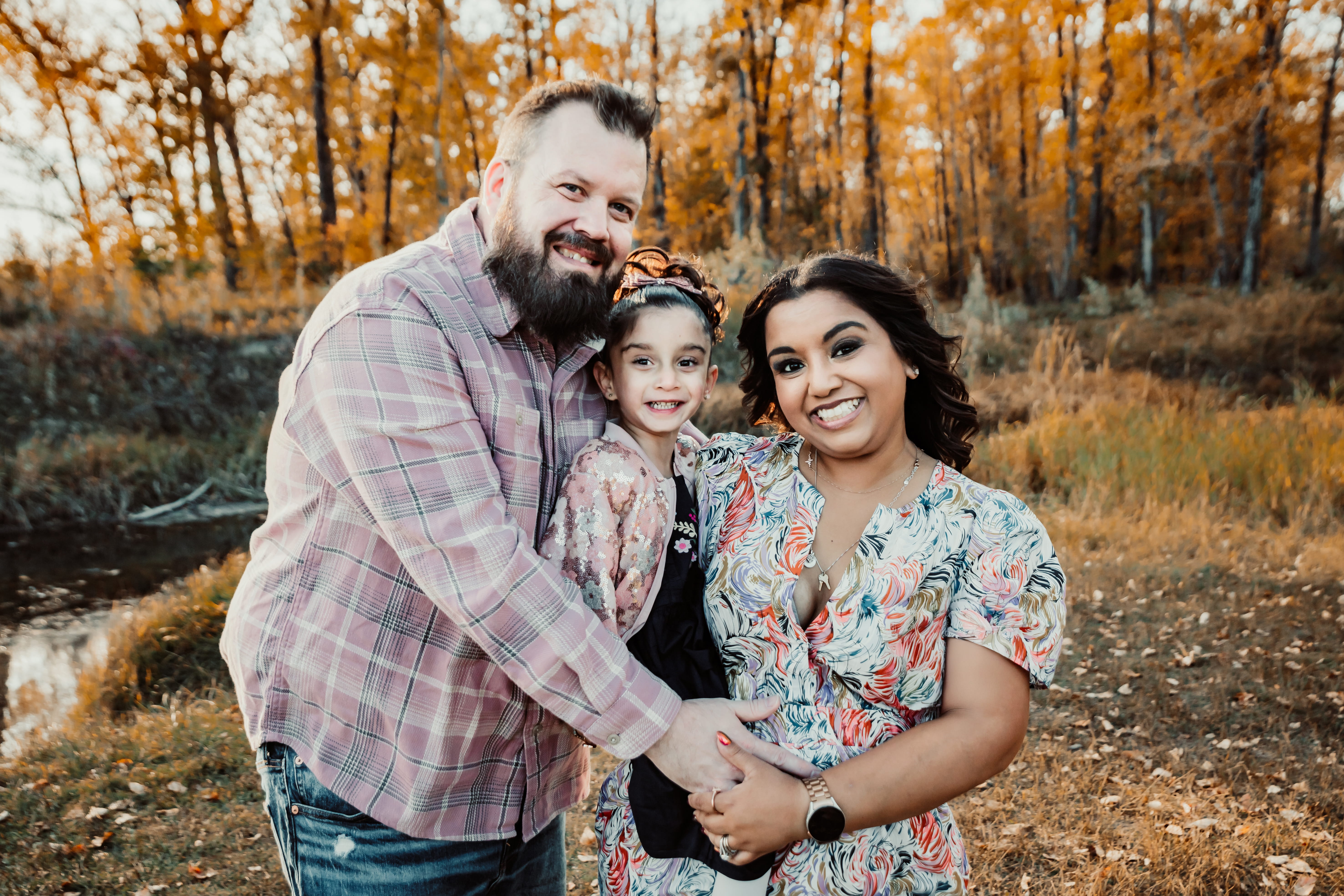
My husband and I met in church when I was 14, fell in love by 19, and married at 22. We knew we wanted a family someday—he has always been incredible with kids—but we felt young and wanted to enjoy a few years together first.
Four years later we started trying. What began with excitement turned into heartbreak as a year passed with no pregnancy. Meanwhile, friends were having babies, and the constant “So when are you having one?”—especially from our church community—was exhausting. I was too polite, too embarrassed, and too ashamed to admit how much the question hurt.
Just as we planned to see our doctor, I lost my job and went back to school, so we took it as a sign to wait. A few years later, after career setbacks and deep emotional weariness, we found ourselves pulling away from everyone—even God. We were happy for what we had survived, yet grieving what we didn’t: a child of our own.
In 2011, we finally saw a fertility specialist. After many tests, we were diagnosed with “Unexplained Infertility,” which the doctor chalked up entirely to my weight. He ignored my scans and dismissed concerns about PCOS. IVF wasn’t financially possible, so we explored weight‑loss surgery at his recommendation.
Two years later, 60 pounds lighter and aching for a child more than ever, we returned—this time requesting a different doctor. He reviewed old scans and immediately diagnosed diminished ovarian reserve and PCOS—conditions visible years earlier. We were devastated by the wasted time, but relieved to have answers. He recommended IVF, and for the first time in a long time, we felt hope.
We began telling close friends, who surrounded us with love and prayed the prayers I was too angry and exhausted to say.
Over the next few years, we endured an IVF info session, explored adoption, and received surprising news: my follicle count had dramatically improved. Our doctor recommended trying a super‑ovulation IUI instead of IVF. We planned to start in January, and things finally seemed to be aligning—including finding out that my husband’s extended health benefits would cover fertility medications.
Then came months of delayed cycles, constant monitoring, bruises, fear, hope, and more waiting. My husband was my rock through it all, even when the treatments made me emotional, angry, or downright irrational. We proceeded with the IUI, and the two‑week wait was agonizing. We let ourselves hope—really hope. But the test came back negative, and we were shattered.
The years that followed brought more heartbreak: investment in a low‑cost fertility clinic that resulted in an unmedicated retrieval and left me with a dislocated pelvis and a failed transfer due to the unavailability of the Reproductive Endocrinologist on the correct cycle day. One spontaneous pregnancy, and two additional rounds of IVF and by 2019, we had endured five pregnancy losses. After a decade of treatment, we decided to try one last time—this time overseas. We would pursue a different protocol and a tandem cycle (using both mine and donor eggs). Then the pandemic shut everything down.
By chance—or grace—I found a US clinic offering a similar protocol. What should have been a six to nine month wait became two weeks when they onboarded a new doctor. We took it as a sign. We began treatment shortly after and travelled to upstate New York in November of 2020 for our retrieval. Ten retrieved eggs, three blasts, all ours (our donor eggs all arrested). After a small break and being put on an immune protocol in hopes of better supporting a pregnancy, a Christmas‑Eve transfer finally resulted in multiple positive pregnancy tests. Twins. After 11.5 years, the cloud was finally lifting.
We lost one twin at 11 weeks, and the surviving baby was small for gestational age, making the pregnancy terrifying. But in August 2021, at 35 weeks, our daughter arrived—3lbs 8oz, tiny but mighty. She spent time in the NICU, but she was here.
All told, we spent over $72,000 to bring her into the world. A later attempt for a sibling failed. We know how privileged we are to have been able to continue when so many cannot. Too many families never begin treatment because of cost and that must change.
Now, more than ever, I feel compelled to fight for the 1 in 6. Infertility isn’t a choice. No one should have to choose between financial stability and the chance to have a family. If sharing our story helps even one family avoid the barriers we faced, then every part of this long, painful journey will have purpose.